
News Article

Coping with Back-to-School Anxiety

Coping with Back-to-School Anxiety

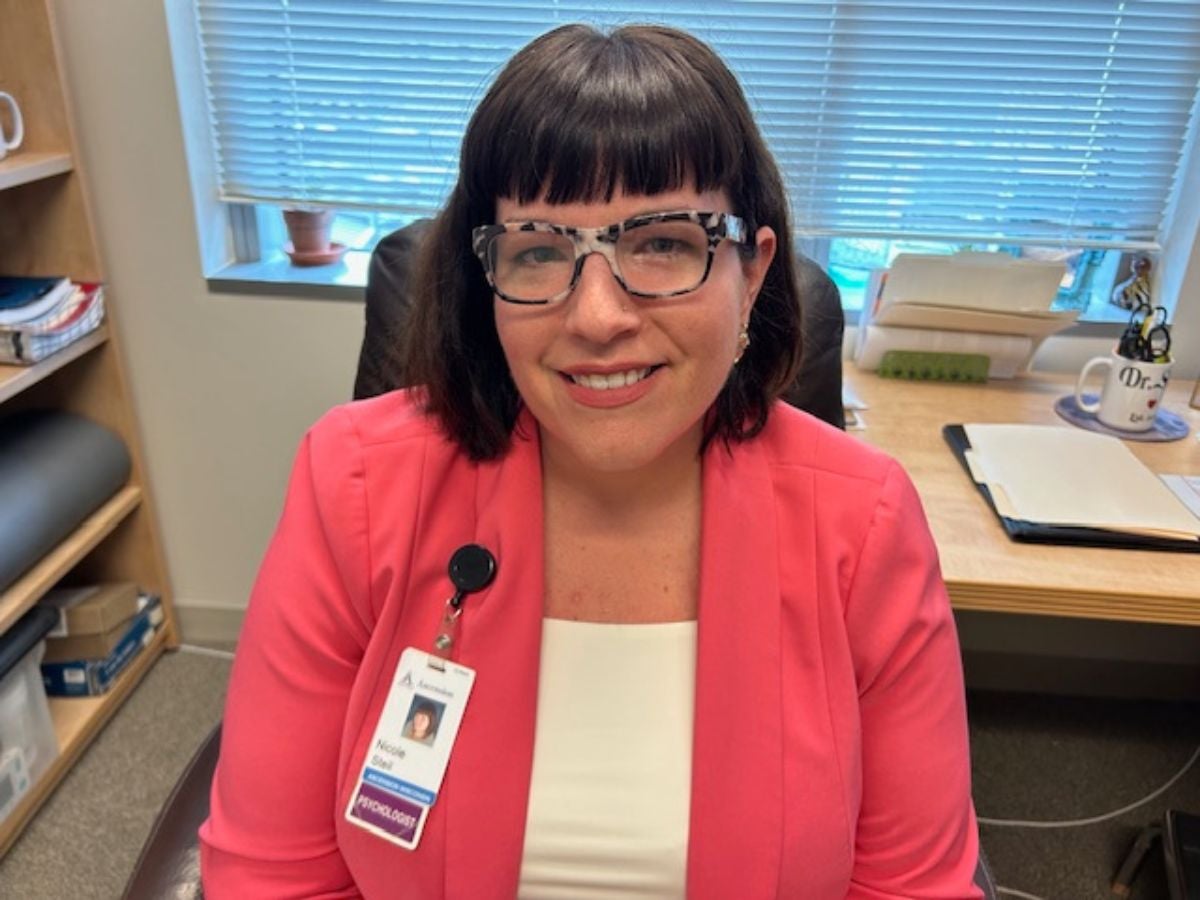
Starting a new school year can be a stressful time for kids. As kids prepare to re-enter the classroom, Ascension Wisconsin psychologist Nicole Steil, PsyD, recently discussed tips and strategies for parents and their children to help ease their stress and anxiety before the first day of school. 

“I think parents can really focus on preparation; preparation is key,” Dr. Steil said. “Before school starts, work with your child to get to bed a little earlier and wake up a little bit earlier. Help them pick out their outfit and get their backpack and lunch packed the night before. When you wake up in the morning, you have all of those action items ready to go when you want to get out the door, and you can do so in a quick and stress free manner.” 

Dr. Steil was featured on three different local stations: TMJ4, NBC26 and was interviewed in a live segment on WISN.

Recent Wisconsin News
How to Protect Yourself and Your Family from Influenza
News Articles

How to Protect Yourself and Your Family from Influenza

This winter, hospitals have seen moderate to high amounts of activity due to influenza. During last year's season, 28,000 people died from influenza, including 288 children.
Coordinated cancer care at Ascension Wisconsin brings hope after liver cancer diagnosis
News Articles

Coordinated cancer care at Ascension Wisconsin brings hope after liver cancer diagnosis

Comprehensive liver cancer care at Ascension Wisconsin helped a 60-year-old patient achieve remission through immunotherapy, radiation and complex liver surgery.
Ascension Wisconsin Expands Access to Free Medications Through Dispensary of Hope Program
News Articles

Ascension Wisconsin Expands Access to Free Medications Through Dispensary of Hope Program

Ascension Wisconsin is expanding its Dispensary of Hope program to help more individuals access essential medications at no cost, reinforcing the organization’s commitment to removing financial barriers and supporting the community’s most vulnerable patients.