
Maternal health is the foundation of healthy families and strong communities. From prenatal care through childbirth and the postpartum period, mothers need access to timely, high-quality, and compassionate care to support both their well-being and that of their babies. Despite the evidence-backed importance of maternal care, available data paints a concerning picture, especially for marginalized populations, and highlights an urgent need to improve outcomes for mothers and babies across the United States.
Research from the Center for Disease Control and Prevention indicates that more than 80% of pregnancy-related deaths are preventable, yet persistent disparities across race, income and geography continue to put women at greater risk. At Ascension, we are committed to supporting mothers at every stage, through data-driven care, community partnerships and innovative programs that support healthier outcomes and heightened awareness about maternal health.
Maternal care at Ascension, by the numbers
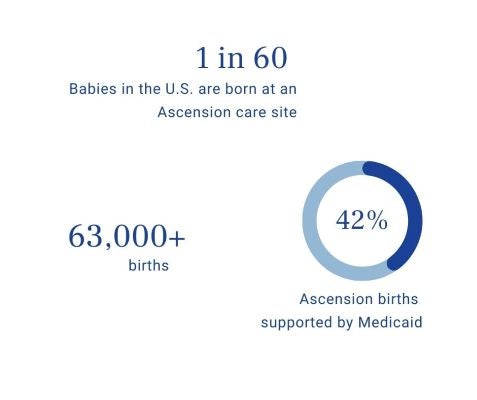
Each year, 1 in 60 babies in the U.S. is born at an Ascension care site, with 42% of births supported by Medicaid. In FY25 alone, Ascension supported more than 63,000 births nationwide. Even amid a national maternal health crisis, Ascension’s maternal morbidity rates are over 20% lower for all patients, and 32% lower for Black/African American patients compared to the national average.
Our focus on quality maternal care has earned national recognition, including multiple hospitals named among Newsweek’s America’s Best Maternity Hospitals 2025 and U.S. News & World Report’s 2026 Best Hospitals for Maternity Care by State. These outcomes reflect a systemwide commitment to reducing maternal morbidity and ensuring more mothers receive outstanding prenatal and postnatal care.
Aligning clinical priorities to reduce complications
Reducing severe obstetric complications is a clinical priority for Ascension from FY25 to FY27, guiding our maternal health initiatives across the system. This focus reflects Ascension’s commitment to delivering high-quality, compassionate care while improving outcomes for mothers and families. Through standardized protocols, earlier identification and treatment of conditions such as anemia and hypertension, expanded provider training and strong community partnerships, Ascension is working to lower complication rates — particularly for women in the most vulnerable communities. This effort builds on more than a decade of sustained progress in advancing maternal safety across the health system.
Expanding access to high-quality maternal services

Ascension continues to enhance maternal care services where they are needed most. In 2025, investments included the opening of Ascension St. Vincent Women and Infants Hospital in Indiana — home to the state's largest Level IV NICU. This state-of-the-art, eight-story facility has 109 private neonatal and NICU rooms and six couplet care rooms — the first hospital in Indiana to offer couplet care — offering postpartum mothers and their NICU babies the opportunity to remain together in the same room. Additionally, the facility hosts 30 maternity suites and offers expanded maternal services.
Addressing social barriers through the Maternal Health Social Systems Initiative
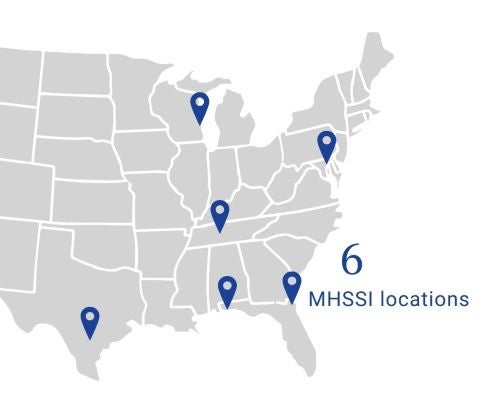
Through the Maternal Health Social Systems Initiative (MHSSI), Ascension embeds maternal health navigators in communities with the greatest risk for poor outcomes. These navigators help expecting mothers overcome nonclinical barriers such as transportation, nutrition and childcare while providing education and continuity of care from prenatal through postpartum periods. Since its launch in 2019, MHSSI has reached more than 4,000 high-risk mothers, contributing to fewer missed appointments, healthier birth weights and more full-term pregnancies. MHSSI has been introduced to six care sites across Ascension’s footprint and is positioned for continued growth.
Prenatal visits enable preventative care
Regular prenatal visits are essential to healthy pregnancies, allowing mothers to build trusted relationships with their care teams while identifying and addressing social challenges, chronic conditions and pregnancy-related health concerns early. Consistent prenatal care is strongly linked to better outcomes for both mothers and babies, including lower rates of prematurity and improved birth weights.
Ascension strengthens prenatal care through innovative, patient-centered programs that support mothers beyond the exam room. At Ascension Saint Thomas in Tennessee, through a partnership with the American Heart Association, Ascension offered at-home blood pressure monitoring to help identify conditions such as pre-eclampsia and gestational hypertension earlier. Programs like Ascension St. Vincent’s Pregnancy Pathways further reduce barriers to care by connecting expectant mothers with prenatal appointments, car seat safety checks, insurance enrollment and WIC services — helping ensure a healthier transition into motherhood for families across the communities we serve.
Investing in communities through the Ascension Foundation
Recognizing that more than half of maternal deaths occur in the year after childbirth, the Ascension Foundation invests in community-based nonprofits addressing housing, nutrition, maternal mental health, doula care, addiction treatment and more to help combat poor maternal health outcomes. In FY25, the Foundation awarded grants to 13 nonprofits in 10 states, helping build a national network of partners focused on improving the lives of mothers, infants, and their families. The Foundation works closely with Ascension's community impact team, healthcare professionals, and data scientists to understand drivers of maternal vulnerability in each of our ministry markets and advise on promising interventions. Through its grant making program, the Foundation helps nonprofits make immediate and long term impact for our patients and their communities.
Supporting mothers after birth
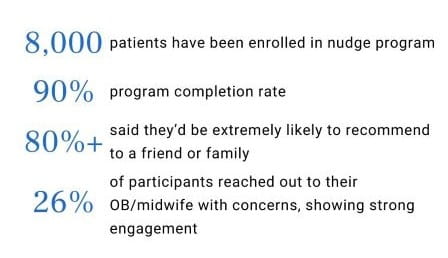
Care doesn’t end at delivery. Ascension has developed digital tools to make care more seamless, proactive and personalized, even beyond a mother’s hospital stay. In FY25, Ascension introduced a postpartum digital support journey for mothers following discharge from maternity care in Pensacola, Florida. Participating patients who opt-in receive 12 text messages over 30 days, designed to support self-reflection, identify warning signs of complications and encourage timely follow-up. Early results have been promising and this program is currently being expanded to all ministry markets.
Additionally, some hospitals have implemented innovative postpartum safety measures, such as wristband initiatives to flag recent childbirth and remote monitoring programs that have cut postpartum hypertension readmissions by more than 50% at some sites. These efforts reflect Ascension’s commitment to seamless care that prioritizes maternal health, safety and support after a mother leaves the hospital.
Ascension remains committed across our clinical and community impact initiatives to advancing whole-person maternal care — addressing healthcare needs, social barriers and community support systems to help support safer pregnancies and healthier futures for mothers and babies.