Before the current focus on healthcare transformation, each X-ray, test, procedure or doctor's visit contributed to an organization's bottom line – rewarding the volume of care provided instead of its value. This model not only can result in more testing and subsequent cost to patients, it often results in poor coordination and access for those who need care the most.
Ascension recently joined the Health Care Payment Learning & Action Network (HCPLAN), a group composed of like-minded payers, providers, purchasers and others that seek to emphasize value instead of volume. HCPLAN members strive to match or exceed the Better Care, Smarter Spending, Healthier People campaign goals announced earlier this year by Sylvia Burwell, Secretary of the U.S. Department of Health and Human Services (HHS). Campaign goals entail moving 30 percent of Medicare payment into "alternative payment models" by the end of 2016; 50 percent by 2018.
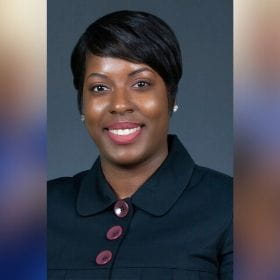
Patricia Maryland, Dr.PH, President, Healthcare Operations and Chief Operating Officer of Ascension Health, was asked to share her thoughts regarding Ascension's commitment to alternative value-based payment models in the September issue of the HCPLAN newsletter. She continues to collaborate with other Ascension leaders to tailor value-based solutions within the various communities Ascension serves through regional clinically integrated systems of care.
"Our aim is to put the person at the core of our work – people from all walks of life, especially those struggling. It is very important to listen to what people need, then challenge ourselves to be innovative in delivering care that meets their needs," Dr. Maryland says. "Integrating care is key to our strategy, so that all our providers can deliver the best care in a coordinated fashion."
She goes on to describe two systems of care already helping Ascension achieve HHS goals by using alternative payment models: Together Health Network, a clinically integrated partnership of Ascension Health Michigan and Trinity Health that has developed its first narrow network plan; and MissionPoint Health Partners, an accountable care organization that began in Tennessee, which has spread to six other states.
Asked what led Ascension to commit to HHS challenge, Dr. Maryland says, "As the largest Catholic not-for-profit health system, we asked, 'If not us, then who?'"
Click here to read the entire "Committed Partner" article featuring Dr. Maryland (on pages 4-6 of the document).