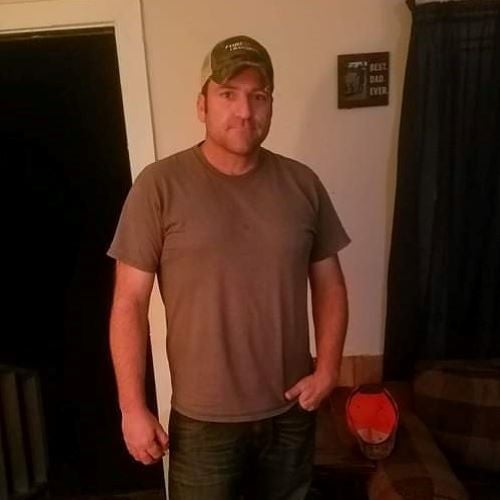
Pensacola, Fla. — Joshua Barlow, 41, was shopping for groceries the day he found out he had an undiagnosed brain aneurysm. He recalled walking down an aisle, feeling dizzy and suddenly passing out.
Barlow said it was probably the safest place to lose consciousness because he received immediate help. “When I woke up in the emergency room, I found out the headaches I had been experiencing for months were caused by a brain aneurysm.”
A brain aneurysm is a weakness in the blood vessel wall in the brain. The blood vessel inflates in the weak area, like blowing up a balloon. Over time, the vessel wall can get thinner and weaker, and rupture. But not all cerebral aneurysms are created equal. Depending on the shape and size, some aneurysms are more challenging to treat with traditional methods, such as coiling, stenting or surgery alone.
A new minimally-invasive treatment being offered only at Sacred Heart Hospital Pensacola enables endovascular neurosurgeon Dr. Maria Toledo to treat patients who previously might have required open surgery, with a less invasive procedure that allows her to repair the aneurysm from inside the vessel wall (endovascular).
“Mr. Barlow had a wide-neck aneurysm, where the base of the bulge is too wide,” Toledo said. “The WEB (Woven EndoBridge) device is a fine wire mesh that expands and acts as a plug inside the aneurysm, reducing the blood flow inside it and preventing any further bleeding.”
As a high-volume, comprehensive stroke center, Sacred Heart Hospital has access to new endovascular technology, like the WEB device, Toledo said.
During Barlow’s 30-minute procedure, Toledo navigated the device through catheters from blood vessels in the leg up into his brain. Once the device was in place, it was expanded. Unlike most endovascular devices, the WEB procedure doesn’t require the patient to be on long-term blood thinners. It also has a low re-treatment rate.
Barlow, a truck driver from Cantonment, had his procedure on a Thursday and was discharged the next day. He said he’s busy planning his wedding for later this year.
“I can’t say enough about Dr. Toledo and everyone at Sacred Heart,” Barlow said. “They are responsible for saving my life. I have been headache-free for the first time in two months.”
To find out more about the WEB device or to schedule an appointment, call 850-416-2250.
About Ascension Sacred Heart
In Florida, Ascension operates Ascension Sacred Heart based in Pensacola and Ascension St. Vincent’s based in Jacksonville. Together, Ascension Florida operates seven hospitals and more than 100 other sites of care, and employs more than 11,000 associates. Across the region, Ascension Sacred Heart and Ascension St. Vincent’s have served North Florida communities for more than 145 years. In fiscal year 2019, they provided nearly $180 million in community benefit and care of persons living in poverty. Ascension is a faith-based healthcare organization dedicated to transformation through innovation across the continuum of care. As one of the leading non-profit and Catholic health systems in the U.S., Ascension is committed to delivering compassionate, personalized care to all, with special attention to persons living in poverty and those most vulnerable. Ascension includes approximately 156,000 associates and 34,000 aligned providers. The national health system operates more than 2,600 sites of care – including 151 hospitals and more than 50 senior living facilities – in 21 states and the District of Columbia. For more information on Ascension Sacred Heart, visit healthcare.ascension.org.