Colorectal cancer, once considered an older person’s disease, is showing up in younger patients than ever before. Physicians across the country, including here in our community, are seeing it firsthand.
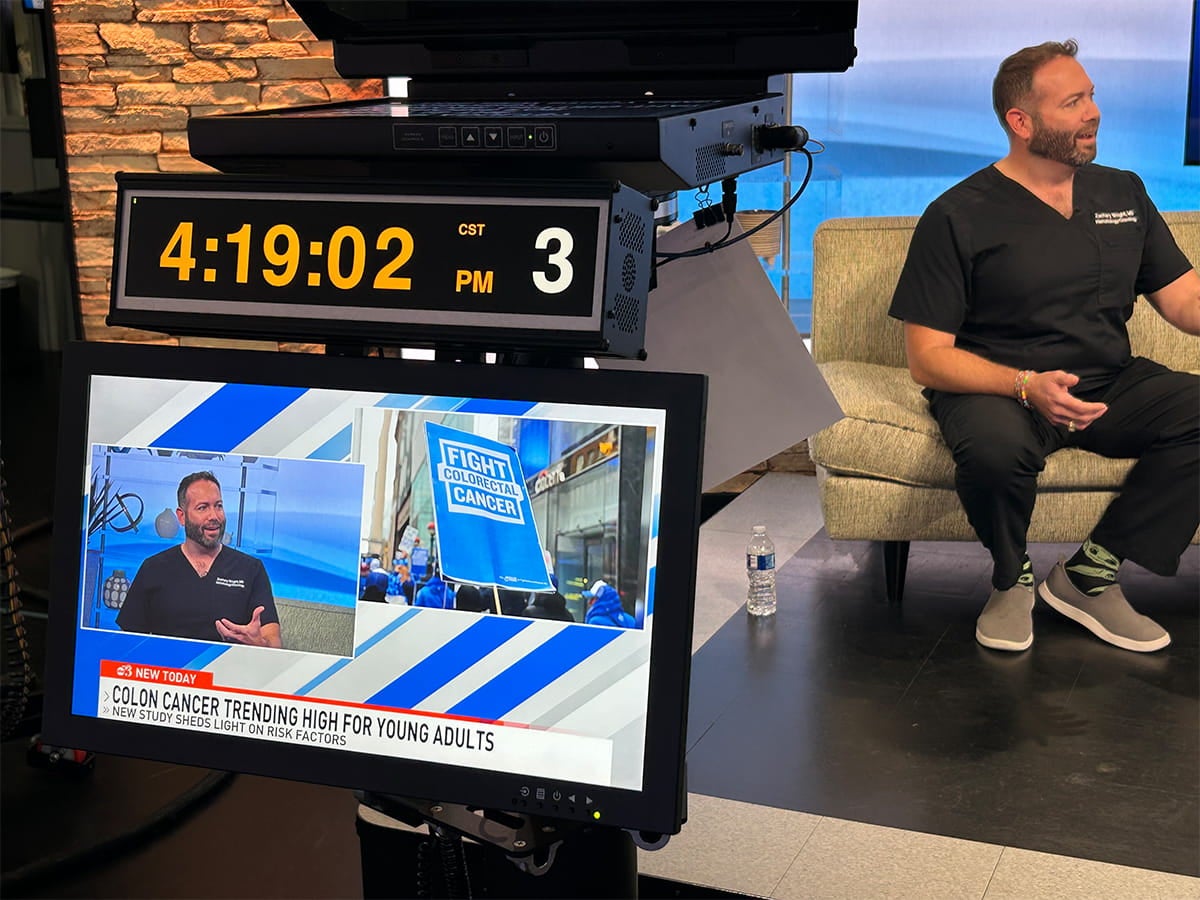
“We are seeing patients in their 30s and 40s with colorectal issues,” said Dr. Zachary Wright, oncologist and hematologist at Ascension Sacred Heart Pensacola. “There has been growing concern for several years about how the food we eat may increase risk for cancer.”
Now there's data to back that up. A study published in November 2025 in the Journal of the American Medical Association followed over 29,000 women and found those who consumed diets high in ultra-processed foods — roughly 10 servings per day — had about a 45% higher risk of developing precancerous colon polyps, particularly in women under 50.
Ten servings may sound extreme, but it adds up quickly: a sugary yogurt at breakfast, a sandwich made with processed white bread and deli meat for lunch, and a packaged snack bar in the afternoon already gets you most of the way there.
The term “ultra-processed” can be confusing because all food is processed in some way.
“Ultra-processed foods include sugary drinks and cereals and processed meats like hot dogs and deli meats,” Wright said.
Researchers believe the problem goes beyond calories. These diets trigger chronic gut inflammation, disrupt healthy bacteria, and expose the colon to additives that may weaken its protective lining. Over time, those changes may allow precancerous polyps to develop.
And there’s another connection: obesity, a risk factor for most cancers.
“A diet heavy in ultra-processed food increases obesity,” Wright said. “If we mitigate those risks, we decrease our risk not only for colon cancer but other cancers as well.”
The message from physicians is not that people should eliminate every packaged item from their lives. Wright said there’s no expectation that people go completely without, but small substitutions can make a difference.
Small substitutions help: swap a breakfast pastry for oatmeal with fruit, replace deli meat with grilled chicken, choose water over soda.
Diet matters, but screening remains the single most powerful tool for prevention.
Because colorectal cancer is appearing earlier, the recommended age for routine screening has dropped from 50 to 45. Anyone with symptoms — including blood in the stool or persistent changes in bowel habits — or a family history of colon cancer should talk with their doctor about being screened sooner.
Precancerous polyps can often be removed before they ever become cancerous.
The takeaway is not fear, it’s awareness that what we consume may contribute to an increase in colon cancer risk. With small changes in diet, healthy lifestyle habits and timely screening, we have tools to reduce the risk.