Celebrating 40 Years of Advanced Cardiac Care
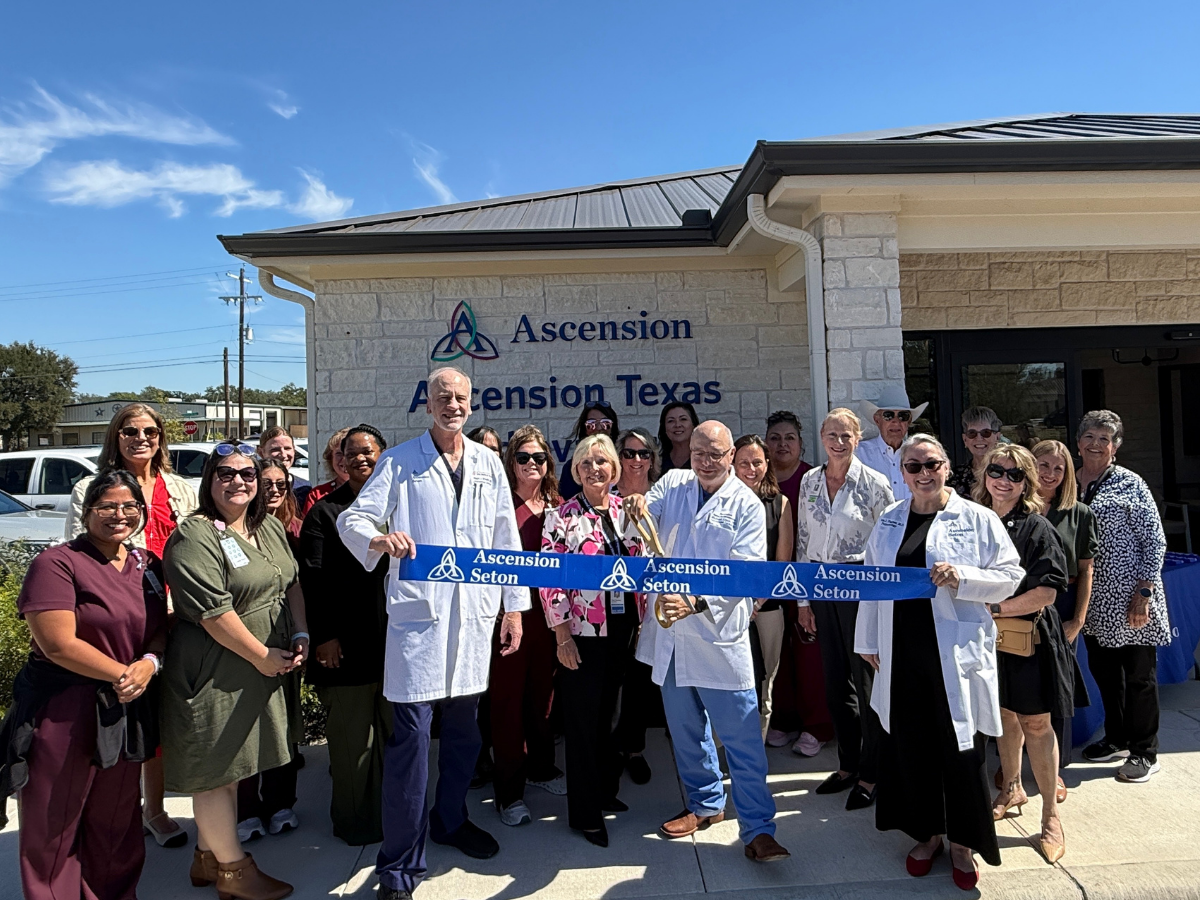
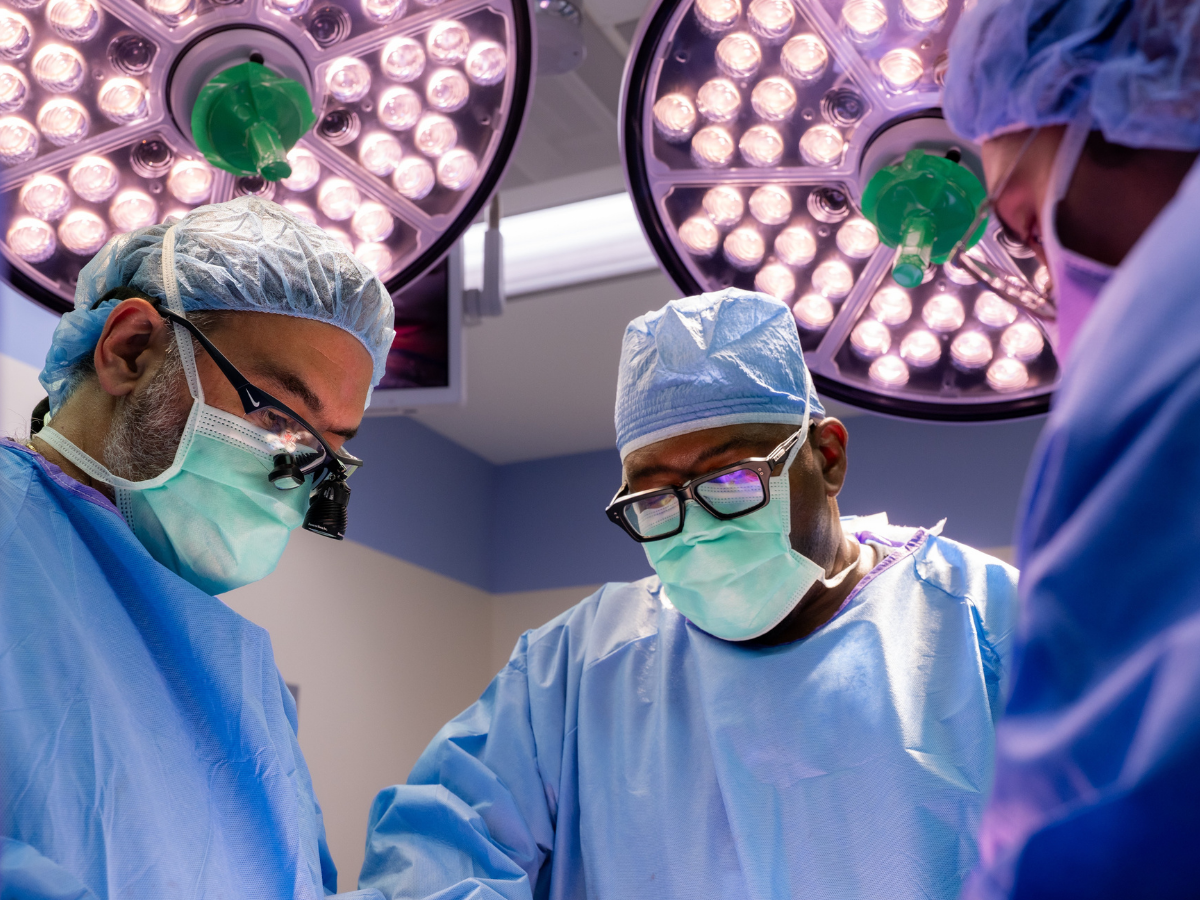
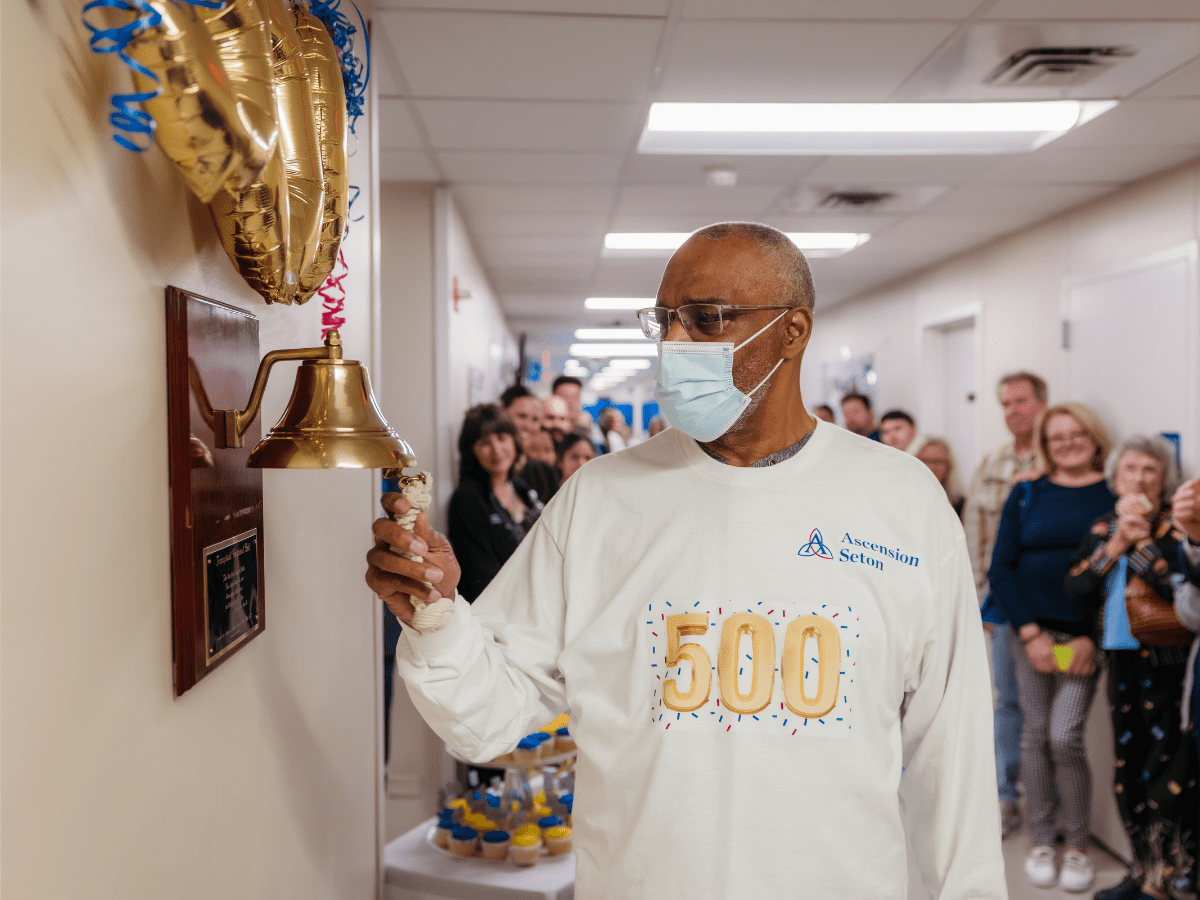
Ascension Seton Medical Center Austin is proud to announce a historic milestone, the successful completion of its 500th adult heart transplant, performed by William Kessler, M.D., marking both a major achievement for the program and the 40th anniversary of heart transplantation at Ascension Seton. What began as a pioneering procedure in 1986 serving the local community, has grown recently in collaboration with The University of Texas into one of the region's leading programs for advanced heart failure and transplant care, providing a lifeline to patients throughout the state of Texas.
Ascension Seton's Heart Specialty Care and Transplant Center is the only adult heart transplant program in the Austin area, offering a full spectrum of advanced heart failure care, including ventricular assisted devices (VADs) and heart transplantation through a coordinated, multidisciplinary care team.
For more than four decades, the program has continued to grow in both volume and complexity, helping hundreds of patients return to their families and lives. The program’s journey is defined by a commitment to excellence and innovation, providing a continuous lifeline for patients in Central Texas. The program has reached several significant milestones throughout its history:
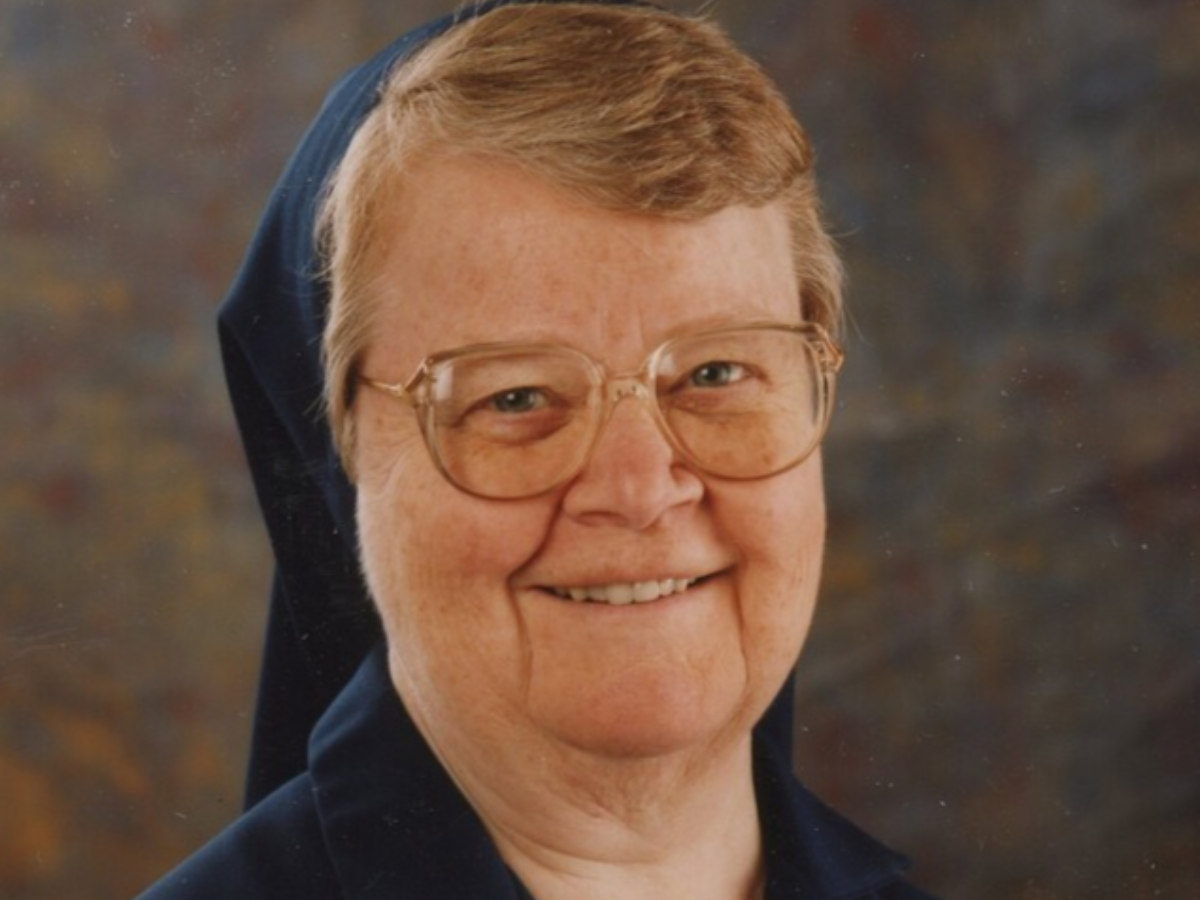
- February 2, 1986: Program inception; Ascension Seton’s first heart transplant performed by Dr. John "Chip" Oswalt.
- 1999: First Seton Medical Center Austin LVAD implant
- 2018: Ascension Seton and Dell Medical School establish the Texas Center for Pediatric and Congenital Heart Disease
- 2022: Ascension Seton and Dell Medical School establish the Institute for Cardiovascular Health
- February 2026: Ascension Seton completes its 500th adult heart transplant, marking 40 years of service.
"Since Dr. John 'Chip' Oswalt performed our first transplant in 1986, this program has been defined by a pursuit of excellence for our neighbors in Central Texas," said William Kessler, MD, surgeon at the Institute for Cardiovascular Health, a clinical partnership between Ascension Seton and Dell Medical School at The University of Texas at Austin. “The 500 heart transplants signify 500 individuals who have received the precious gift of new life, allowing them to return to their families for a second chance.”
The program's success comes from a combination of advanced technology and compassionate human care.
"At the heart of this program is a commitment to the 'whole person.' We aren't just performing a procedure; we are restoring a life and supporting a family through one of the most complex journeys in medicine," said Raymond E Bietry, III, MD, Medical Director of Cardiac Transplantation, Ascension Texas. "We are humbled by the families who, in their time of grief, choose to give the gift of life. Every milestone we reach is a tribute to the legacy of those donors and the strength of their families. Our success is built on that selfless choice and the dedicated team that walks alongside our patients every step of the way."
Ascension Seton’s heart transplant program is the only program in the Austin area with both CMS certification for heart transplantation and Joint Commission certification for Ventricular Assist Devices (VAD), offering a full spectrum of world-class care. The program is further strengthened by Ascension Seton’s academic and clinical partnership with Dell Medical School, fostering continuous innovation in advanced cardiac care.
This adult milestone follows the recent success achieved by the Texas Center for Pediatric and Congenital Heart Disease, a clinical collaboration between Dell Children's and Dell Medical School.The program, which was ranked No. 10 in the nation by U.S. News & World Report Best Children's Hospitals under the leadership of Charles Fraser Jr., M.D., reinforces Central Texas as a national destination for advanced cardiac care. Together, the adult and pediatric programs create a unique, lifelong continuum of heart care, serving patients from fetal diagnosis and congenital heart surgery through adult heart failure, mechanical circulatory support, and transplantation.