
Responding to Community Needs

Improving health starts with understanding community needs.

Every community faces unique health challenges. That is why we partner with local and national organizations, clinical professionals, and community members to understand those needs and develop solutions designed to help address them. Working alongside these trusted partners, we use data and insights sourced directly from our communities to help guide our actions and focus our efforts where they can have the greatest impact.

Listening and assessing needs

Community Health Needs Assessments

Listening first. Acting with purpose.

Ascension hospitals complete Community Health Needs Assessments (CHNAs) to identify the most pressing health challenges facing the communities we serve.

Conducted every three years by not-for-profit organizations, including all Ascension hospitals, CHNAs identify, analyze, and prioritize significant community health needs and inform local implementation plans.

Alongside public health professionals, community health partners, and stakeholders, we gather data, listen to residents, and develop strategies that respond to identified community needs.

But the work does not stop there. We combine CHNAs findings with insights on care disparities and utilization data to identify opportunities to improve care, reduce gaps, and better support patients across our communities.

Identifying barriers to health

Addressing social drivers/determinants of health

Health is influenced by more than medical care.

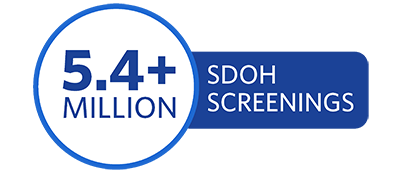
Factors such as access to food, transportation, housing, and financial stability can shape a person’s well-being. These external factors, known as social drivers/determinants of health (SDOH), can contribute to disparities in health outcomes across our communities. As of Fiscal Year 2026, Ascension has conducted 5.4 million SDOH screenings, with more than 500,000 screenings reporting at least one need.

We screen patients at our care sites to better understand the social and economic factors that may affect their health, including:

  • Food insecurity
  • Housing stability
  • Transportation access
  • Financial need
  • Social and emotional health
  • And more
Turning insights into action

Our SDOH screenings consistently show that food access, transportation, and medication access remain among the most common needs indicated by patients. In response, Ascension ministries use these insights to develop local action plans, identify resources, build strategic partnerships, and invest in programs that help address these needs.

The Ascension Foundation

The Ascension Foundation was established in 2021 to improve health outcomes by focusing exclusively on the impact of social and environmental factors. The Foundation identifies and awards grants to innovative nonprofit organizations that address top SDOH needs of Ascension patients and their communities.

The Foundation focuses on four issues that span our health system, investing in local solutions to best serve patients and communities in each Ascension market:

  • Supporting Perinatal Moms: Essential support for perinatal moms to help her and her family today and change the trajectory for the next generation.
  • Expanding Access to Care for People in Need: Helping patients connect to ongoing primary and preventative care.
  • Understanding and Responding to top SDOH needs in our Communities: Supporting nonprofit organizations that address the highest SDOH crisis issues and their root causes in Ascension communities.
  • Investing in the Future Healthcare Workforce: Inspiring middle school students and medical students from underrepresented communities to pursue healthcare careers.

In partnership with the Ascension Data Science Institute, the Foundation leverages insights from clinical and publicly available data with input from community partners to identify interventions with the potential for immediate impact and lasting change.