As someone who did not start my career in this industry, one of the most important things I have learned is that healthcare does not live in brick-and-mortar hospitals. It lives in people’s experiences, shaped by how easily they can find care, understand their options, and get help when they need it.
People do not experience healthcare as a system. Many times they experience it in moments, when they are scared, in pain, or unsure where to turn. For too long, healthcare has been designed around buildings instead of those moments. That approach is no longer good enough.
We spend a lot of time talking about access in strategy discussions. But strategy only matters when it turns into real change for people trying to get care. That change shows up in simple ways. How easy it is to get an appointment. How far someone has to travel. How much medication costs. How clear the next step feels. When those things break down, care is delayed, conditions worsen, and even the best care inside our walls cannot make up for it.
Access also includes knowing what help is available and not being afraid of the cost. For many patients, especially those living paycheck to paycheck, uncertainty about cost can delay care before it ever starts. This is especially true for people who rely on Medicaid or who are uninsured.
Today, Ascension serves more than one million patients each year who depend on Medicaid or have no coverage at all. As federal policy changes, including Medicaid reductions and the loss of Affordable Care Act tax credits, we expect the number of uninsured patients we serve to grow.
We will continue to care for everyone who comes through our doors. That commitment defines our Mission. But honoring it requires rethinking how care is designed and delivered.
Too often, patients who are Medicaid beneficiaries or are uninsured go to the emergency department for care that could have been provided earlier, closer to home, and at lower cost. That is not a failure of personal responsibility. It is a failure of access. When primary care is hard to reach, specialty referrals are difficult to schedule, medications cannot be filled, or coverage is uncertain, the emergency department becomes the default option.
Fixing that problem requires more than small adjustments to what already exists. Thomas Edison did not invent the light bulb by optimizing the candle. In the same way, adding capacity to high-cost settings does not address the underlying issue. What people need is not a better version of what is already failing them, but a different design for how care is delivered.
At Ascension, we are redesigning care so it happens in the right setting, at the right time, and with the right support around it.
This work begins with listening. Not informally, but intentionally. We have studied where patients experience friction in accessing care, where handoffs break down, and where cost, timing, or navigation create barriers. That understanding is helping us focus our efforts where change will matter most.
What we are changing is not just where care happens, but how people enter the system, how they move through it, and how they stay connected after a visit.
The Right Setting
Care should be delivered where it makes the most sense for the patient, not by default and not only inside hospital walls.
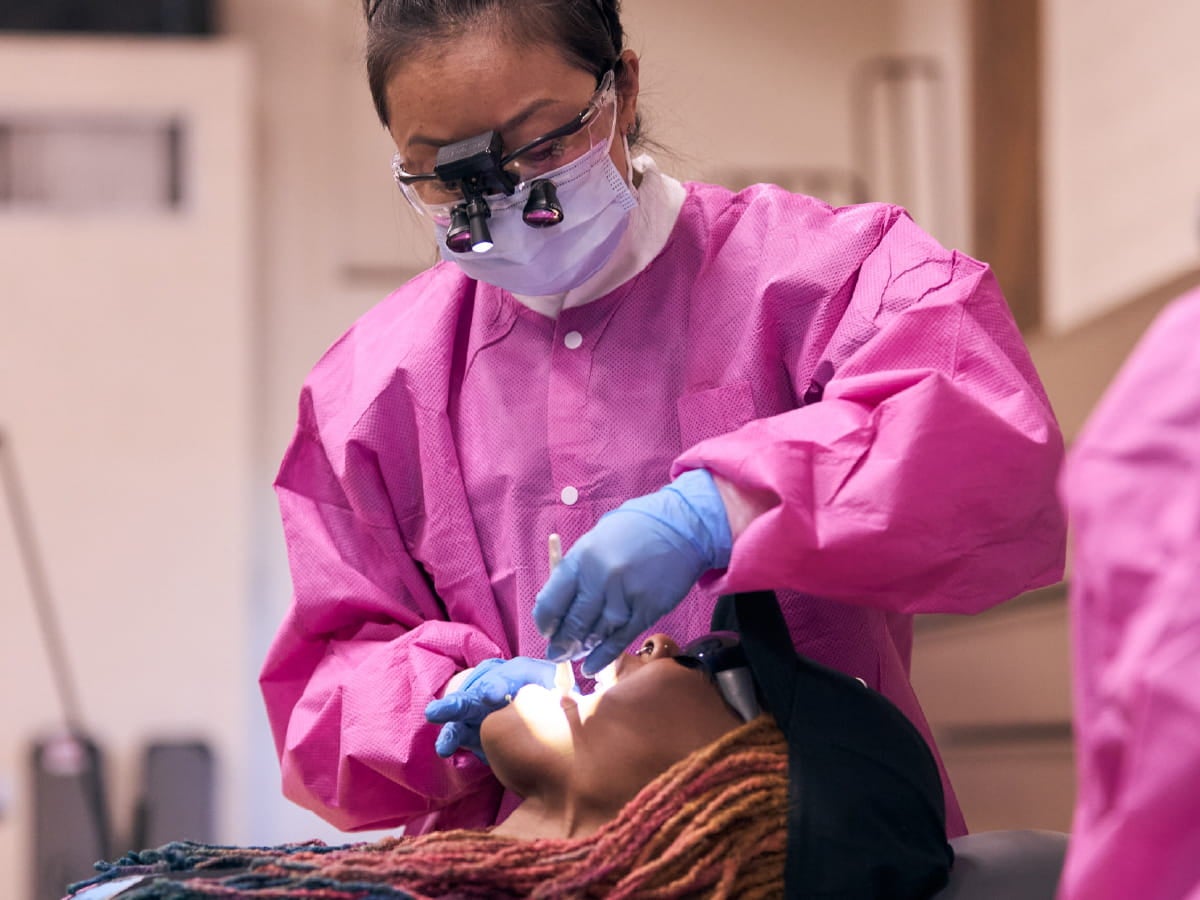
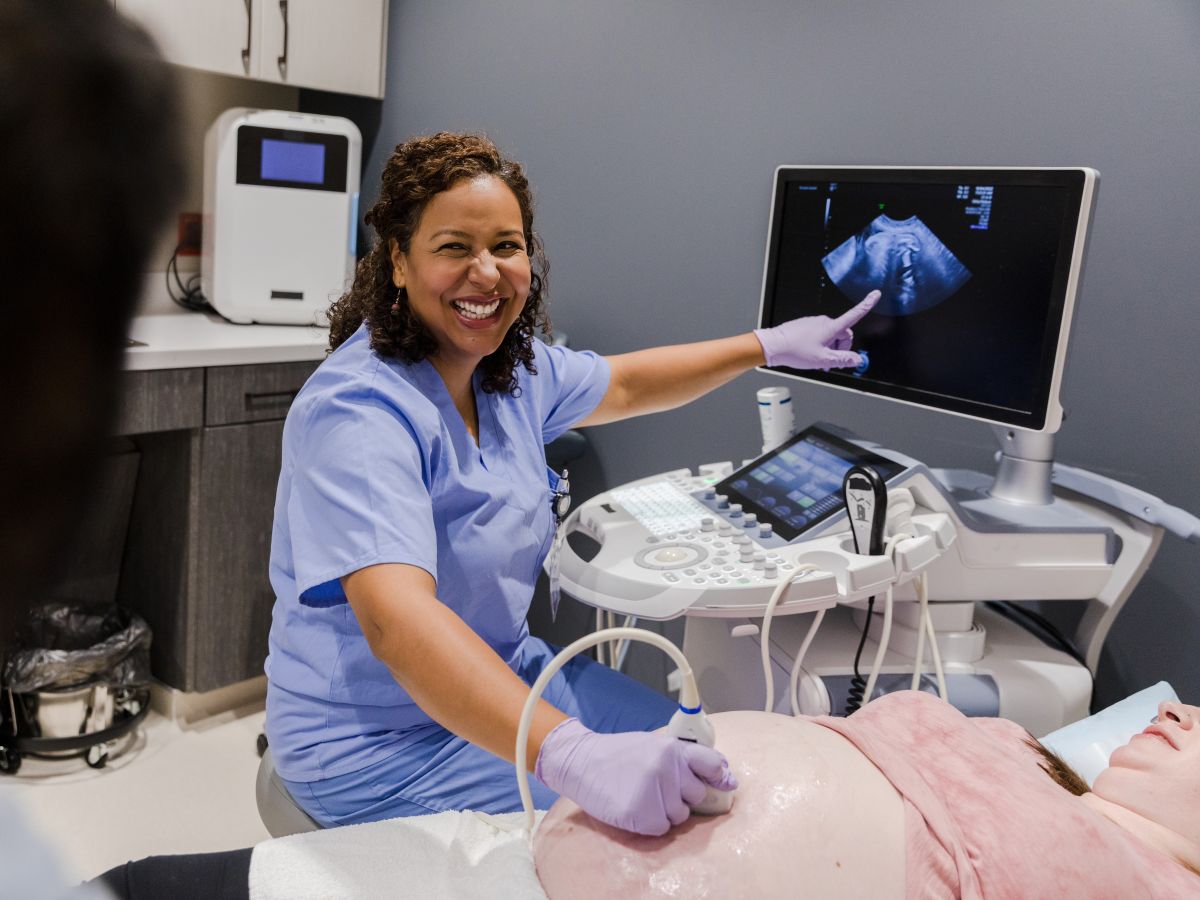
We are moving care into community clinics, ambulatory surgery centers, virtual care, and care delivered at home. Our Community Health Ministries help bring primary care and essential services directly into neighborhoods where access is limited.
Primary care attachment is foundational to this work. Federally Qualified Health Centers are not just partners, but a backbone of access for Medicaid and uninsured patients. By strengthening these partnerships, we are helping people establish ongoing relationships with care teams and connecting them to specialty care when it is needed.
When care is closer and easier to reach, people are more likely to get help earlier. They avoid unnecessary trips to the emergency department. And care can be delivered safely at a lower cost.
The Right Time
When people cannot get care when they need it, problems grow. We are changing that.
At Ascension, getting the timing right means making it easier to connect to care sooner and closer to home. We are shifting care earlier, before conditions worsen.
We are expanding same-day and next-day access through primary care and community partners, improving navigation at the front door, and connecting patients to specialty care. These changes reduce delays and help people stay connected without starting over.
We are removing practical barriers. Transportation support, extended hours, virtual care, and built-in medication access help care fit into people’s lives.
We are also addressing coverage instability, one of the most disruptive challenges Medicaid patients face. Through navigation and support, we help patients stay connected to care even as eligibility changes.
When care happens at the right time, people seek help earlier, manage conditions better, and avoid unnecessary emergency visits. This is how we keep people healthier and reduce higher-cost care.
The Right Support
Care does not end when a visit is over. For many people, what happens next determines if care actually works.
We partner with trusted community-based providers and organizations to expand care closer to where people live. Tools like Neighborhood Resource connect people to local services for everyday needs like transportation, housing, food, and financial support. Medical Mission at Home events bring care directly into communities where access is limited. They connect people to care in the moment and help them stay connected afterward through follow-up, medication support, and referrals.
We know why medication-related issues bring people to the emergency department. Treatment breaks down when medications are not available or cannot be filled.
Through Dispensary of Hope, Ascension’s program that provides access to medications for patients who are uninsured or cannot afford their prescriptions, we make sure those medications are available so care does not default to acute care settings.
We have built medication access as core infrastructure, not a side program. Dispensary of Hope and Ascension Rx are now scaled across all Ascension markets so access to treatment follows patients wherever they enter our system, including home delivery when patients cannot reach a pharmacy location.
Uncertainty about cost keeps too many people from getting care when they need it. We are working to improve how costs are communicated and make access to financial assistance more straightforward.
All of this work comes from asking a simple question. What would healthcare look like if it truly worked for the people who need it most?
That question is shaping how we think about growth and performance. We are measuring success not by the size of our facilities, but by our reach, and we are already seeing phenomenal progress. Strengthening primary care attachment, expanding medication access, and redirecting care into lower-cost settings has reduced avoidable emergency department use and allowed us to reinvest resources back into access.
If we can show that this approach keeps Medicaid and uninsured patients healthier at a lower cost, it becomes more than an internal strategy. It becomes proof.
Proving that requires those Edison moments. Not small tweaks, but real change. Building new models of care instead of refining systems that were never designed to work for everyone.
By reducing dependence on emergency departments, managing chronic conditions earlier, and coordinating care across partners, we are working toward exactly what policymakers say they want. Healthier populations. Lower costs. Better outcomes. And we are committed to proving it with data and real-world results.
That is why Ascension is prepared to sit at the table with federal and state leaders. Not to debate, but to collaborate. Real progress requires alignment across providers, payers, and policymakers. We are willing to challenge the status quo. We are willing to question our own assumptions and break habits that no longer serve patients.
Our focus on Medicaid and uninsured patients is not just about serving those with the greatest needs. It is about leading the transformation of healthcare itself. If removing friction improves lives and lowers costs for those facing the greatest barriers, it becomes proof that healthcare can be designed differently and a roadmap to improve care for everyone.
The future of healthcare will be shaped by leaders willing to design around people, not institutions. That responsibility sits squarely with us. When we get it right, we strengthen trust, honor dignity, and deliver care that reflects the values we stand for as a health system.
That is what we are building at Ascension. It is our Mission in action. And it is what our communities deserve.
There is still a lot of work to be done. We look forward to keeping you updated as this work moves forward and as we continue to design care around people, not buildings.