Ascension Seton Medical Center Austin is the first in Texas to offer patients a specialized spinal fusion implant designed to promote bone growth and reduce hardware loosening in complex spinal reconstructions.
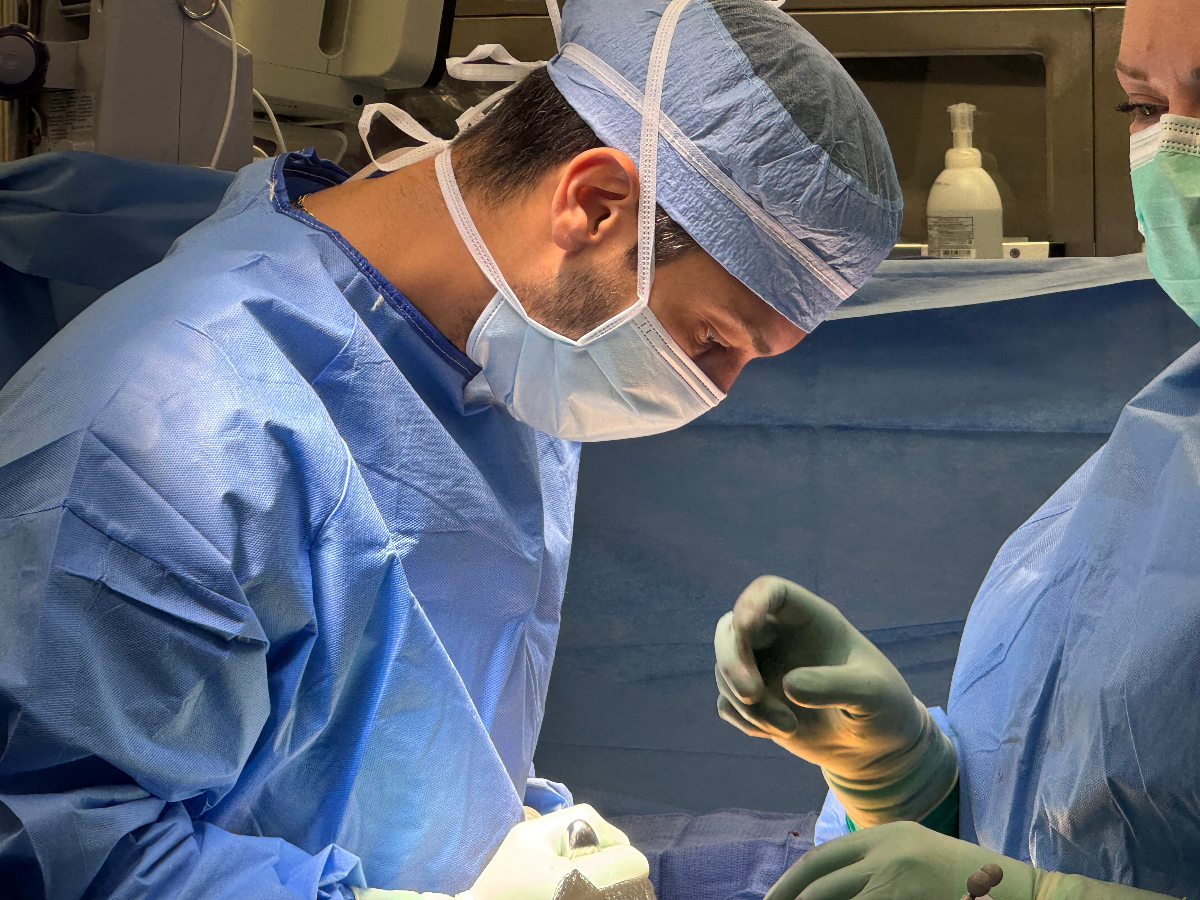
Alex Cruz, MD, led the procedure using a new 3D Printed Pedicle screw that promotes bone harvesting and osseointegration, which is used when clinically appropriate for patients with low bone density. Historically, screw loosening is a complication that can affect up to 27% of multi-level spinal fusion procedures. By introducing this option locally, the medical team is expanding access to advanced engineering to help support quality care.
"In complex spinal reconstructions, hardware loosening can be a significant setback for patients," Dr. Cruz said. "By utilizing this 3D-printed screw, our surgical team can provide targeted support designed to integrate directly with the patient's own bone. Performing this procedure helps stabilize the spine for those with low bone density, allowing us to drive down the risk of future surgeries and support the long-term well-being of our patients."
Turning Collaboration into Impact
The procedure aligns technological innovation with clinician oversight. Classified as a breakthrough device by the U.S. Food and Drug Administration, the implant platform is designed to mitigate the primary vulnerabilities of traditional hardware.
Traditional machined screws can be prone to micro-movement, which may cause the construct to fail over time. In contrast, the new technology delivers structural features built directly into the design:
- Targeted strength: The core of the implant is shaped to provide extra support exactly where the spine needs it most.
- Secure fit: The hardware features specialized threads designed to hold firmly in place and resist everyday physical stress.
- Natural bone growth: A porous, 3D-printed surface mimics human bone, which is designed to encourage the patient's own bone to grow directly into the implant.
Clinical data shows these design features can decrease loosening rates at both the top and bottom of the surgical area. By stabilizing the ends of a long spinal framework where mechanical stress is highest, the technology aims to drive down the risk of patients needing subsequent revision surgeries.
"We are always building on our surgical capabilities to support patients requiring complex spine care," Dr. Cruz said. "By consistently evaluating new technologies and integrating clinical innovations, our teams aim to deliver quality care that supports the long-term well-being of the people we serve."