
September is Hunger Action Month, a time to raise awareness of food insecurity and its impact on health. Food insecurity is a complex community health issue, and addressing it often requires more than one solution.
Across Ascension, Ministry Markets are encouraged to address food insecurity through a tailored approach, specifically basing strategies on community needs. Care teams are working with food banks, schools, churches, community organizations, and philanthropic partners to connect people with essential nutrition while addressing other factors that influence health.
Supporting postpartum nutrition in Central Texas
Focusing on the dietary needs mothers have during pregnancy and after birth, the Food is the Best Medicine program at Ascension Seton connects postpartum families with healthy food while studying how nutrition support can affect maternal and infant health.
Created by the Ascension Texas Council on Health Equity, the program launched in May 2022 and is fully funded by the Seton Foundation. Families across 25 ZIP codes in Austin and Travis County may receive either a $100 grocery card or eight weeks of home-delivered food, including prepared meals, fresh produce, meal kits, and pantry staples, when clinically appropriate.
The program also tracks measures such as food security, diet quality, and postnatal depression to better understand the connection between nutrition and health.
From September 2023 through June 2026, the program:
- Delivered more than 60,000 nutritious meals to families.
- Served 502 households through 3,565 successful home deliveries.
- Delivered 59,600 pounds of fresh food, helping reduce transportation and access barriers.
Connecting healthcare and food support in Tennessee
Ascension Saint Thomas is partnering with Second Harvest Food Bank of Middle Tennessee to help connect patients experiencing food insecurity with food and nutrition resources.
Ascension Saint Thomas serves on Second Harvest’s Food Is Medicine Steering Committee and launched a six-month pilot program for patients who screen positive for food insecurity and also have hypertension or Type 2 diabetes.
Through the program, eligible patients receive support that can include biweekly gift cards for fresh produce, monthly home-delivered food boxes, assistance enrolling in SNAP and CSFP, and nutrition counseling. Community Health Workers also connect patients with additional food resources.
To date, Community Health Workers have:
- Distributed 889 food boxes.
- Connected 1,504 people with additional food support resources.
Supporting families through food programs in Illinois
In Illinois, Ascension invests in food programs through community partnerships, volunteer service, and programs that connect food access with healthcare.
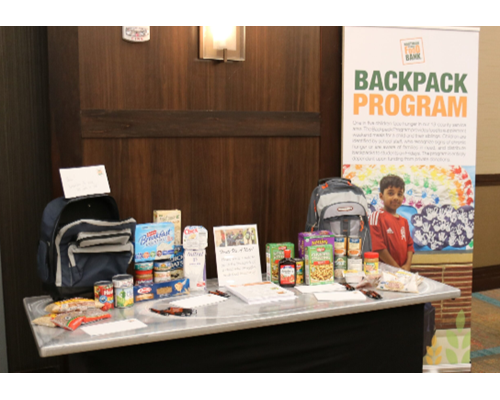
At Ascension Saint Alexius, a partnership with the Northern Illinois Food Bank supports a recurring school backpack program for children at 16 elementary schools. In fiscal year 2026, the program provided 9,792 backpacks, representing approximately 163,200 meals, and 195,840 pounds of food.
Ascension Illinois also supports 24/7 micro pantries at hospital campuses, giving community members access to emergency food outside traditional distribution hours. At Ascension Saint Joseph Chicago, a micro pantry donated by The Guardian Group provided 7,776 meals, or 9,360 pounds of food in fiscal year 2026.
Care teams are also bringing health resources directly to community food programs. Ascension Saint Alexius associates volunteer at monthly food distributions at the Willow Creek Care Center in partnership with the Greater Chicago Food Depository, where teams provide food and health education.
Ascension associates also support hunger relief beyond their local communities. In Schaumburg, Team Ascension volunteers packed 73,008 meals, providing enough food to support 199 children for a year. During the holiday season, associates partnered with Christus Victor Lutheran Church to prepare and serve 900 Thanksgiving meals, the largest turnout in the event’s 22-year history.
Expanding food access in Oklahoma
In Oklahoma, Ascension St. John works with community organizations to connect patients and families with nutritious food while supporting longer-term solutions to food insecurity.
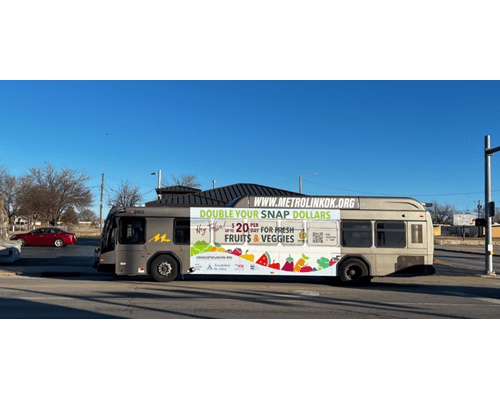
Through partnerships with Hunger Free Oklahoma, Meals on Wheels of Metro Tulsa, Tulsa CARES, RG Foods, and Global Gardens, Ascension St. John supports programs ranging from produce-matching and meal delivery to nutrition counseling, urban farming, and school-based gardening. The health system also supports mobile food distribution, including a student-led “Veggie Van” that brings fresh produce to North Tulsa families facing transportation barriers.
Together, these efforts help connect people with food and nutrition resources while bringing healthcare, education, and community support closer to where people live.
Helping students start the school year with food in Indiana
For more than a decade, Ascension St. Vincent Evansville has partnered with the Tri-State Food Bank’s Backpack Program to help address weekend food gaps for elementary students.
Through the partnership with Cedar Hall Elementary School, Ascension associates provide weekend food supplies to children who rely on school meal programs during the week.
As part of Hunger Action Month, Ascension St. Vincent Evansville leaders and associates are continuing that commitment by participating in direct deliveries to local students, helping families start the school year with access to nutritious food.
Investing in the health of mothers and families
Since 2021, the Ascension Foundation has served as Ascension’s national philanthropic arm, using community insights to direct investments toward programs that address some of the root causes of poor health.
Maternal health is one area of focus. With 1 in every 60 babies in the country born at an Ascension hospital each year, Ascension has an opportunity to support mothers and families beyond the walls of the hospital.
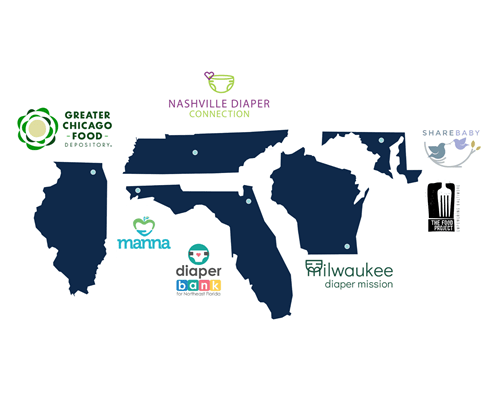
In fiscal year 2026, the Ascension Foundation awarded grants to 13 nonprofit organizations across six states to support new mothers and their families. Services include access to nutritious food, diapers, maternal mental healthcare, transportation, housing support, and recovery services, with seven of those grants specifically supporting organizations addressing the nutritional needs of mothers and young children.
Community Health Ministries
Across Ascension’s Community Health Ministries (CHMs), food pantries and food distribution programs help connect individuals and families with nutritious food and other essential resources. These programs are tailored to the individual needs of the communities where each ministry serves, helping address food insecurity while connecting people with broader health and social services. Across four CHMs, more than 19,650 people received food support in FY26.